 Customisierte Hintergrundbeleuchtungslösungen & Optische Blätterlieferant – Rnoda Tech


In der modernen Optoelektronik und Anzeigetechnik sind verschiedene Optische Filme spielen bei Displays eine zentrale Rolle. Von Polarisatorfolien bis hin zu Lichtleiterplatten, von Diffusionsfolien bis hin zu Brightening Enhancement Films – sie verändern die Lichtausbreitung, verbessern die Anzeigequalität und verbessern die Energieeffizienz. Doch wie sind diese Filme entstanden? Welche interessanten Geschichten stecken dahinter? Lassen Sie uns ihre Ursprünge und die Entwicklung optischer Filme untersuchen.
Die Geburt und Entwicklung von Polarisatorblätter
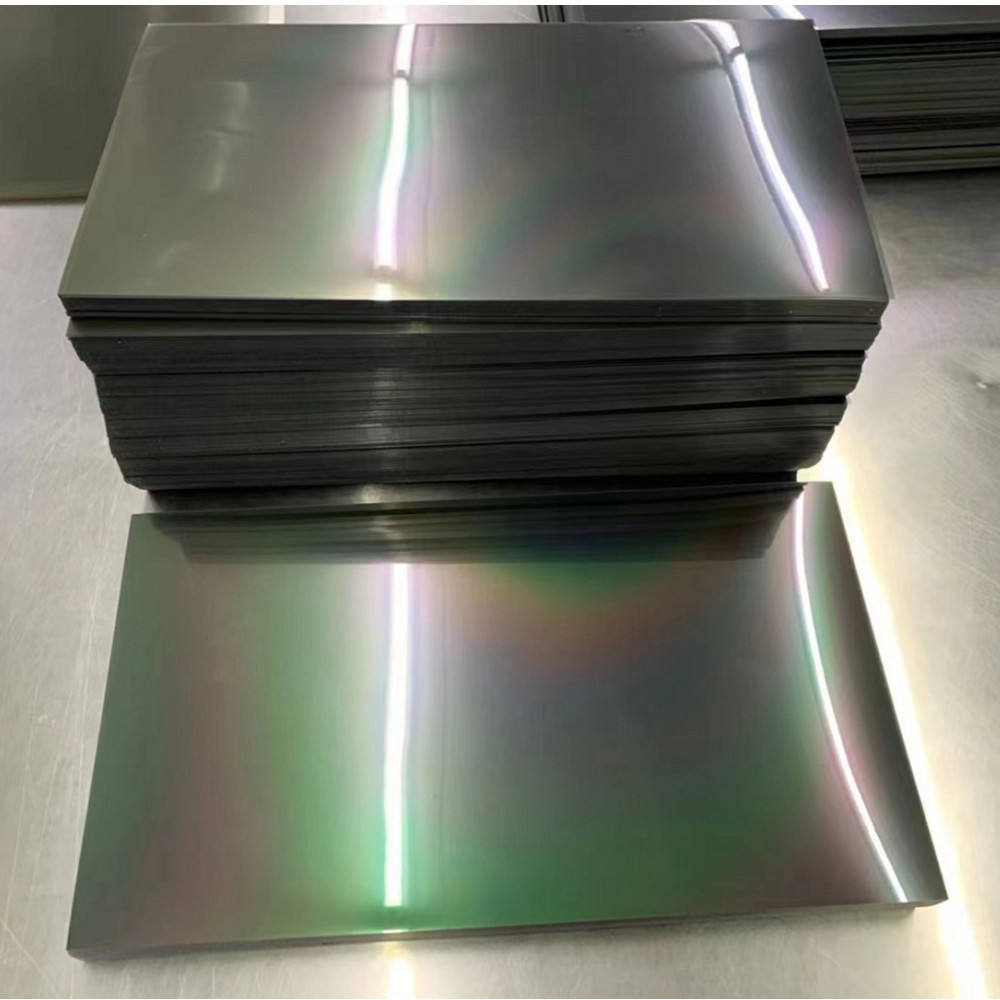
Eine Polarisatorfolie ist ein optischer Film, der Lichtwellen in eine bestimmte Richtung schwingen lässt. Der am weitesten verbreitete Polarisator – die H-Platte – wurde 1938 von Land erfunden. Bei seinem Herstellungsprozess wird eine transparente Kunststofffolie (typischerweise PVA) in eine Jodlösung getaucht, anschließend erhitzt und gedehnt. Durch diesen Streckungsprozess werden PVA-Moleküle entlang der Spannungsrichtung ausgerichtet, wodurch Jodionen langkettige Strukturen bilden. Diese Ausrichtung verleiht dem Film seine Polarisationsfähigkeit: Er absorbiert Licht parallel zur Jodionenausrichtung und lässt Licht senkrecht dazu durch.
Die Polarisatorfolienindustrie entstand erstmals in Japan. Im Jahr 1999 begann Taiwans Lite-On mit der Produktion und brach damit Japans langjähriges Monopol. Anschließend begann das südkoreanische Unternehmen LG Chem im Jahr 2000 mit der Massenproduktion von TFT-Polarisatoren. Die Polarisatorprojekte auf dem chinesischen Festland begannen 1994 und nach mehreren Jahren von R&D, Shengbo Company entwickelte Ende 1998 erfolgreich qualifizierte Produkte. Derzeit verlangsamt sich die Produktion von Polarisatoren in Japan und Südkorea allmählich, wodurch der Festlandmarkt zum neuen Schwerpunkt für die Branchenentwicklung wird.
Lichtführungsplatte (LGP): Sorgt für eine gleichmäßige Lichtverteilung
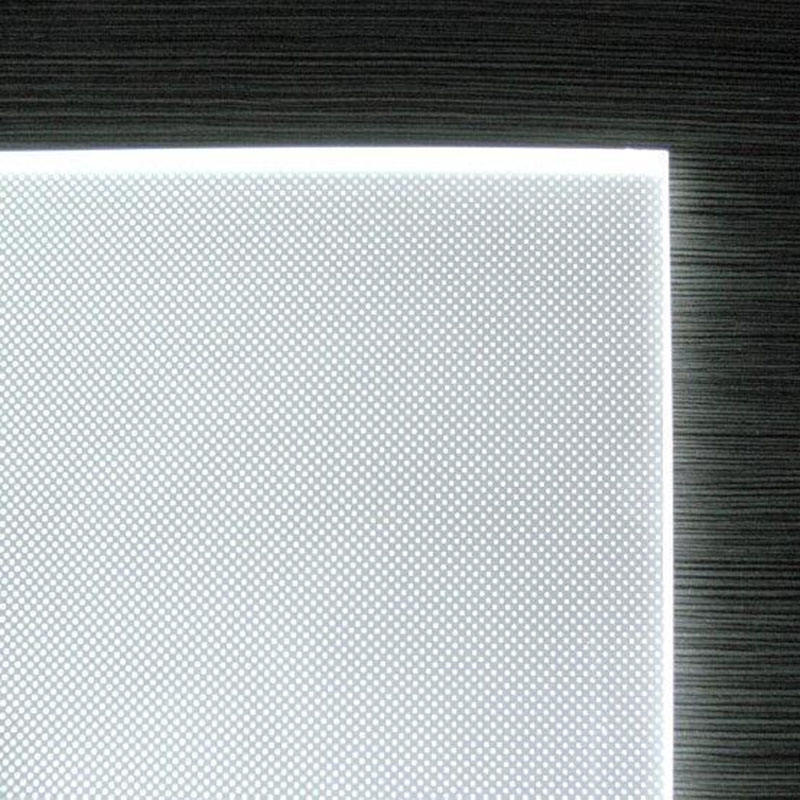
Light guide plates are manufactured from optical-grade acrylic or PC sheets. UV screen printing of light-guiding dots on the substrate achieves uniform light distribution. Japan’s Meito Corporation invented EDGE LIGHT technology in 1986, introducing light sources from the plate edges. Utilizing total internal reflection principles, light is emitted from the plate surface to create uniform backlighting.
Due to their compact size, high brightness, and low energy consumption, light guide plates are widely used in notebook computers, digital cameras, LCD televisions, and other products, serving as core components of backlight systems.
Diffusion Film: Softening and Evenly Distributing Light
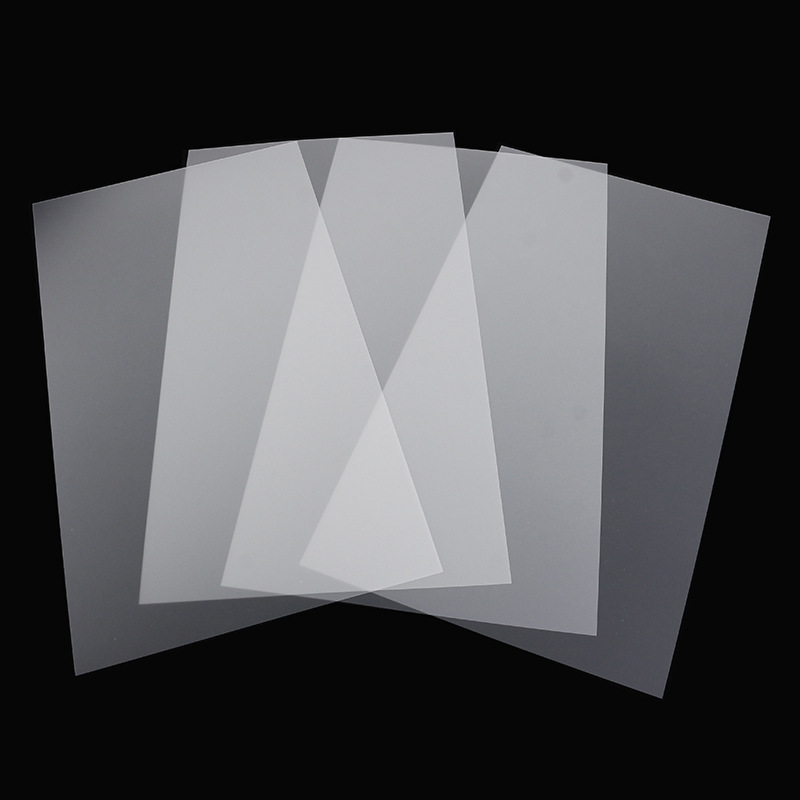
Die Diffusionsfolie streut das Licht gleichmäßig und sorgt so für eine weiche, blendfreie Beleuchtung. Die meisten Diffusionsfolien werden durch Auftragen optischer Streupartikel auf transparente Substrate wie PET hergestellt. Keiwa stammt ursprünglich aus Japan und führte 1990 erstmals Diffusionsfolienprodukte ein, gefolgt von ähnlichen Angeboten von Tsujiden und Kimoto.
Diffusionsfolien werden häufig in LCD-Hintergrundbeleuchtungsmodulen, optischen Beleuchtungsgeräten und Werbedisplays verwendet und verbessern die Gleichmäßigkeit der Bildschirmhelligkeit und den Sehkomfort.
Reflektierender Film: Maximierung der Lichtnutzung
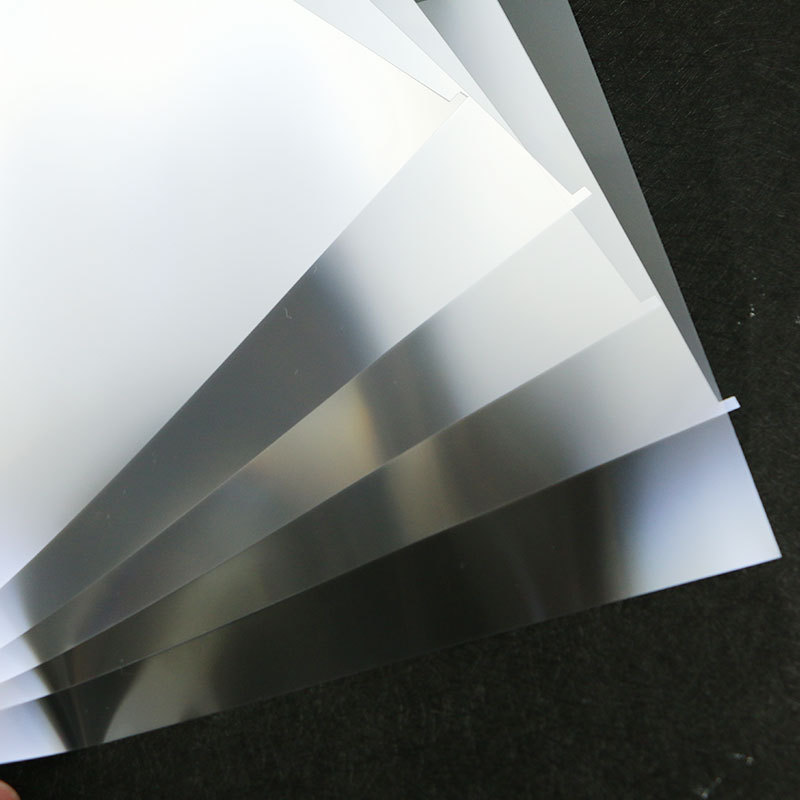
Reflective films enhance optical surface reflectivity through specialized coating processes. Common types include metal reflective films, all-dielectric reflective films, and metal-dielectric composite films. High-end multilayer reflective films comprise hundreds of nanometer-thick layers, achieving reflectivity of 99%–100%—significantly surpassing standard 95% reflectivity films.
Within recirculating brightness enhancement systems, reflective films substantially reduce light loss while boosting display brightness and energy efficiency, making them a critical component of modern LCD backlight technology.
Helligkeitserhöhung Film (BEF): 3M’s Ingenious Innovation
The origin story of Brightness Enhancement Film (BEF) is quite fascinating. Over two decades ago, 3M researchers in Quebec, Canada, discovered during basement experiments that prism-coated light pipes could transmit oblique sunlight along their walls, instantly illuminating the space. Subsequently, 3M scientists cut open these prism pipes and laid them flat over an LCD backlight, unexpectedly boosting the screen’s forward brightness.
Through micro-replication technology and multilayer optical film techniques, 3M further optimized the light-gathering efficiency of the prismatic tubes, ultimately launching the Brightness Enhancement Film (BEF). This product doubled the brightness of displays in laptops, LCD TVs, and other devices while reducing energy consumption, becoming an indispensable optical film for LCD displays.
Zusammenfassung
From polarizer sheets to light guide panels, diffusion films, reflective films, and brightness enhancement films, each functional film originates from scientists’ creativity and experimentation. By altering light propagation, they enhance display brightness, uniformity, and energy efficiency, laying the foundation for modern display technology.
Today, these films are not only widely used in electronic products like smartphones, computers, and televisions, but also play significant roles in lighting, architecture, automotive, and energy sectors. The history of functional films is a story of the perfect integration of technological innovation and engineering practice.
Custom Optical Film Solutions
As a reliable optical film provider, we offer a wide range of customizable solutions to meet your specific requirements. Whether you need tailor-made sizes, special optical properties, or unique designs for your display or lighting applications, we can provide high-quality optical films to fit your needs. For any custom orders or inquiries, feel free to Kontaktieren Sie uns to discuss your project.